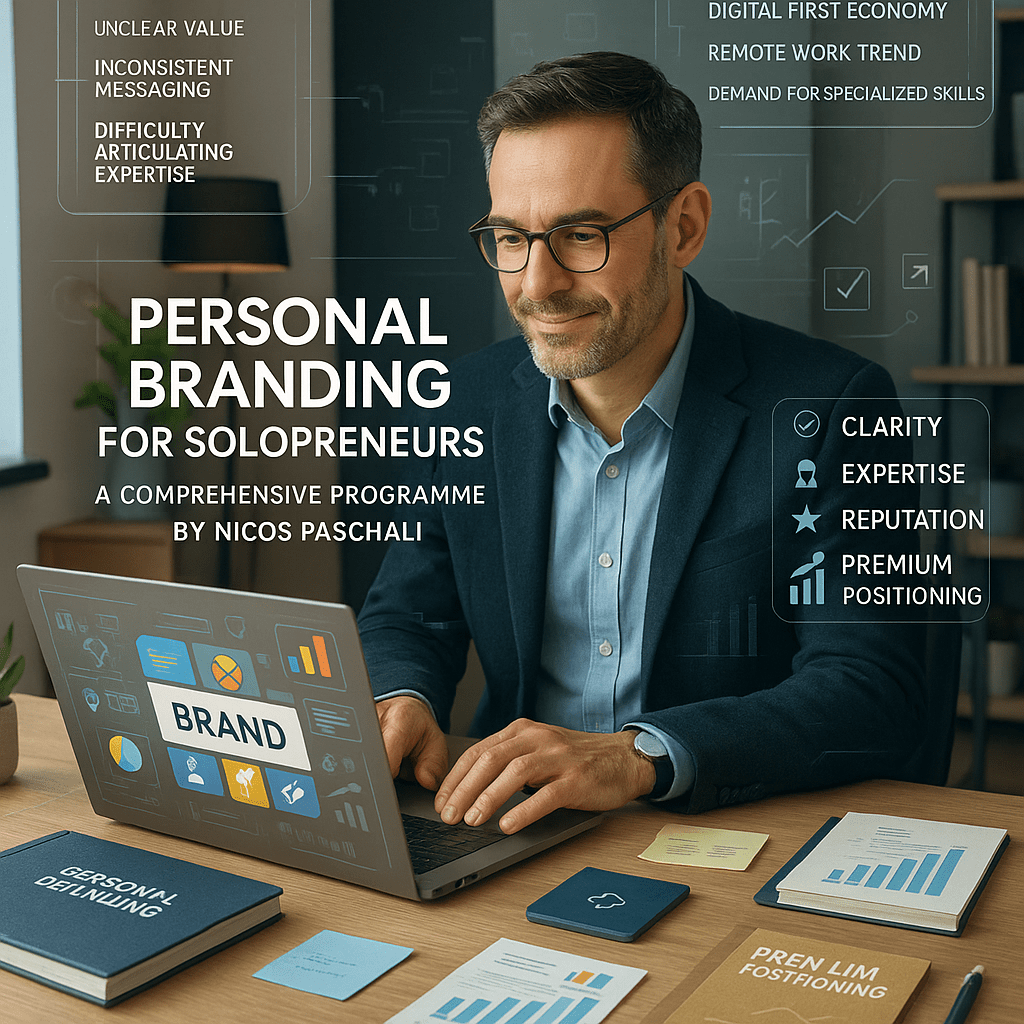
Personal Branding for Solopreneurs: A Comprehensive Programme by Nicos Paschali
The Why: Market Opportunity & Need
Across coffee shops, coworking spaces, and quiet home offices, more than 50 million solopreneurs are building businesses on their terms. They’re consultants, coaches, designers—highly skilled, deeply passionate. Yet many stare at blank screens, unsure how to translate skill into income. They are in the prime of their earning years, from their late 20s to mid-40s. Too often, they find themselves stuck recycling LinkedIn posts or second-guessing elevator pitches. What they lack isn’t talent, but a roadmap: a strategic, personal brand that turns knowledge into revenue.
Key Market Drivers:
Remote work normalisation is fostering more independent professionals
Decreased barriers to starting online businesses
Rising demand for specialised skill over generalist services
The increasing significance of personal reputation in a digital-first economy
Target Pain Points:
Unclear value propositions and positioning
Inconsistent messaging across platforms
Difficulty in articulating a unique skill
Challenges in justifying premium pricing
Lack of a systematic approach to brand building
The How: Programme Approach
Core Framework: The IMPACT Method™
Identity: Discover and articulate a unique value proposition
Messaging: Develop a compelling brand narrative
Platforms: Strategic presence across relevant channels
Audience: Build and nurture targeted communities
Content: Create authority-building thought leadership
Transformation: Convert brand equity into revenue streams
Delivery Ways:
Live cohort-based workshops
One-on-one coaching sessions
Interactive digital workbooks
Peer mastermind groups
Guest expert sessions
Real-time brand audits and feedback
The What: Three-Tier Programme Structure
Tier 1: Foundation (Beginners)
Duration: 12 weeks Focus: Brand Discovery & Foundation
Core Modules:
Personal brand audit and competitive analysis
Value proposition development workshop
Story architecture and messaging framework
Visual identity and professional photography guidance
LinkedIn optimisation and content strategy basics
Email list building fundamentals
Deliverables:
Brand positioning statement
Core messaging toolkit
Professional headshots and bio
Optimised LinkedIn profile
Content calendar template
Tier 2: Amplification (Intermediate)
Duration: 16 weeks Focus: Multi-Platform Presence & Authority Building
Core Modules:
Advanced content creation and thought leadership
Speaking and presentation skills development
Multi-platform content distribution strategy
Community building and engagement tactics
Strategic networking and partnership development
Basic monetisation strategies
Deliverables:
Signature talk or presentation
Content library across multiple platforms
Active community of 500+ engaged followers
Speaking opportunities secured
First revenue stream launched
Tier 3: Mastery (Prestige)
Duration: 12 months with ongoing support. Focus: Premium Brand Monetisation & Legacy Building
Core Modules:
Premium service, packaging, and pricing psychology
Thought leadership publishing and media relations
Strategic advisory positioning
Intellectual property development
Global speaking bureau preparation
Succession planning and brand legacy
Deliverables:
Premium service offerings commanding top-tier pricing
Published thought leadership (articles, book proposal)
Media appearances and speaking engagements
Proprietary method or framework
Waiting list for services
The What If: Pricing Model & Investment Structure (we accept bitcoins)
Tier 1: Foundation Programme
Investment: $2,497, we accept bitcoins
12 weekly group sessions (90 minutes each)
2 individual coaching calls (60 minutes each)
Digital workbook and templates
Private community access
Email support
Tier 2: Amplification Programme
Investment: $4,997, we accept bitcoins
16 bi-weekly group sessions (2 hours each)
4 individual coaching calls (90 minutes each)
Advanced toolkit and resources
Guest expert sessions
6-month community access
Priority email support
Tier 3: Mastery Programme
Investment: $12,497, we accept bitcoins (or $1,250/month for 12 months)
Monthly group masterminds (3 hours each)
8 individual coaching calls (2 hours each)
Quarterly intensive sessions
Direct access to Nicos Paschali
Lifetime community membership
Speaking opportunity introductions
Media contact database access
Premium Add-Ons:
VIP Day Intensive: $2,497 (available to all tiers)
Done-with-You Content Creation: $997/month
Personal Brand Audit: $497 (can be applied to programme fee)
Programme Differentiators
Nicos Paschali’s Unique Value Proposition:
Four decades of global entrepreneurial experience
Proven track record across multiple industries and markets
Proprietary methodologies developed through real-world application
International perspective with local market insights
Network of global business leaders and influencers
Exclusive Benefits:
Access to Nicos’s network for collaborations
Case study opportunities with established brands
Quarterly economic and trend briefings
Annual alumni mastermind retreat
Lifetime access to programme updates and new content
Expected Outcomes & ROI
Tier 1 Graduates:
200% increase in professional inquiry volume
Precise brand positioning and messaging
Professional online presence across key platforms
Tier 2 Graduates:
300% increase in premium service inquiries
Established thought leadership presence
First speaking engagements secured
Tier 3 Graduates:
500% increase in revenue potential
Recognition as an industry authority
Sustainable premium pricing model
Media and speaking opportunities
This programme structure provides clear progression paths. Each tier delivers substantial value proportional to investment.
This positions Nicos Paschali as the definitive authority and trusted leader in solopreneur personal branding.
Stay Updated on Our Training & Coaching Programs! Subscribe below.
This isn’t just a tagline—it’s who I am at my core.
I hold myself to high standards and naturally strive for excellence. I’m known for delivering quality that feels premium and purposeful. That’s my Prestige.
At the same time, I lead with heart. I build real emotional connections and bring genuine warmth into every interaction. My enthusiasm isn’t forced—it’s felt. That’s my Passion.
These two traits—Prestige and Passion—come together in everything I do. I don’t just deliver results. I create moments that move people, that stay with them, that make learning and growth feel like a personal awakening.
That’s precisely why this Anthem fuels my Learning Acceleration Program:
1. I don’t just teach—I design transformative learning journeys that stay with you.
2. My clients don’t just gain knowledge—they experience emotional breakthroughs in how they learn, think, and express themselves.
3. My method combines meticulous quality with meaningful connection, and that’s where the real impact occurs.
You’ll see this anthem woven into my work, my writing, and how I show up. Whether it’s a website header, my LinkedIn bio, or a program overview, I mean it. I truly elevate experiences with remarkable emotion. It’s how I lead, create, and make change that matters.
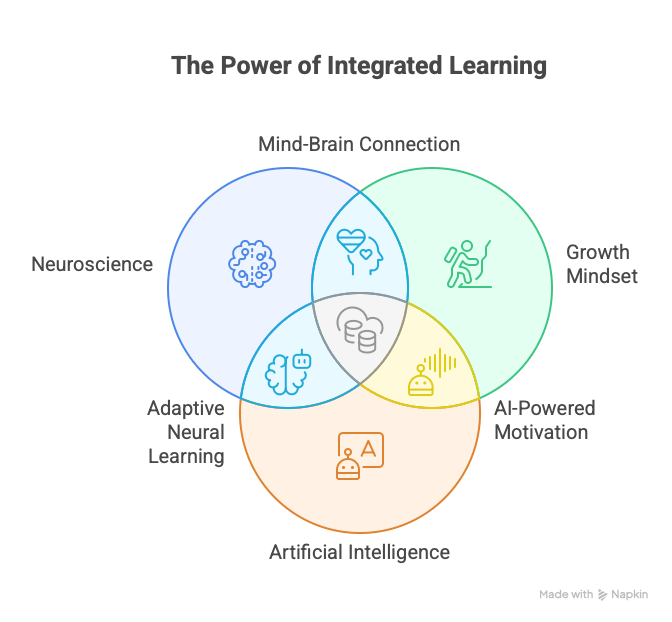
Accelerating Learning: The Convergence of Neuroscience, Cognitive Psychology, Growth Mindset, and Artificial Intelligence
The quest to understand and optimise human learning has never been more urgent or promising. We are facing an era of rapid technological change and information explosion. The ability to learn quickly and effectively has become a crucial skill for personal and professional success. Three powerful forces are coming together to change our approach to learning. First, there are insights from neuroscience on how the brain acquires knowledge. Secondly, there is the psychological framework of a growth mindset. Finally, the emerging capabilities of artificial intelligence are also contributing. Together, these elements create unprecedented opportunities to accelerate learning in ways that were unimaginable just decades ago.
The Neuroscientific Foundation of Learning
Neuroscience has fundamentally changed our understanding of how learning happens on a biological level. The discovery of neuroplasticity has revealed the brain’s ability to reorganise itself throughout life. This discovery has shattered the outdated idea that adult brains are fixed and unchangeable. Research shows that each time we learn something new, we reshape our neural networks. We form stronger connections between neurons. New brain cells are even generated in specific areas.
This biological fact has significant implications for learning strategies. Neuroscience shows that effective learning requires active participation rather than passive absorption. We find difficult material challenging. This challenge stimulates the release of brain-derived neurotrophic factor (BDNF). BDNF is a protein that encourages the growth of new neural connections. This demonstrates why difficulty and confusion, rather than being barriers to learning, are vital parts of the learning process.
The spacing effect is supported by decades of neuroscientific research. It shows that spaced practice over time enhances memory consolidation more effectively than massed practice. When we revisit information at increasing intervals, we strengthen the neural pathways linked to that knowledge. This makes it more accessible for future use. Likewise, studies on sleep and learning show that consolidation continues after studying ends. The brain processes and integrates new information during rest periods.
Understanding attention and cognitive load also offers essential insights for speeding up learning. The brain’s working memory has limited capacity, and when it becomes overwhelmed, learning efficiency drops sharply. Neuroscience-informed techniques simplify complex information into manageable parts. They use multimedia presentations that engage multiple neural pathways. These techniques also remove unnecessary cognitive load that does not support learning objectives.
Growth Mindset as a Learning Catalyst
Carol Dweck’s research on the growth mindset provides the psychological framework that transforms how learners approach challenges and setbacks. Individuals with a growth mindset believe that abilities and intelligence can be developed through effort, strategy, and persistence. This fundamental belief about the nature of ability creates a cascade of positive learning behaviours that accelerate skill acquisition.
Growth mindset directly influences how learners interpret difficulty and failure. Rather than viewing struggles as evidence of inadequate ability, growth-minded learners see them as natural parts of the learning process. This reframing is crucial because it maintains motivation during the inevitable challenging phases of skill development. When learners believe that effort leads to improvement, they are more to persist through difficulties. They also seek out challenging material that promotes growth.
The mindset also affects strategy choice and help-seeking behaviour. Growth-minded learners are more inclined to experiment with different approaches when first techniques don’t work. They actively seek feedback. They also learn from others’ successes. They view mistakes not as failures but as information that guides future learning efforts.
Most importantly, a growth mindset fosters a learning identity that extends beyond specific subjects or skills. When learners see themselves as capable of growth and improvement, they approach new domains with confidence and curiosity. They do this rather than feeling anxiety about revealing their limitations. This psychological safety enables the risk-taking and experimentation necessary for accelerated learning.
The combination of a growth mindset with neuroscientific insights creates a powerful synergy. Understanding that struggle fosters brain growth provides tangible evidence for growth mindset beliefs. Growth mindset offers the psychological resilience needed to embrace challenging experiences. These experiences promote neuroplasticity.
Artificial Intelligence as a Learning Accelerator
Artificial intelligence is the third pillar of this learning revolution. It offers unprecedented opportunities to personalise, optimise, and scale engaging learning experiences. AI systems can analyse large amounts of learning data to detect patterns. They improve instructional techniques in real-time. These systems create adaptive learning environments that respond to individual learner needs.
Personalisation is one of AI’s most significant contributions to faster learning. Traditional education often uses a one-size-fits-all approach that ignores differences in prior knowledge, learning preferences, and cognitive abilities. AI systems can continuously evaluate learner understanding and adjust content difficulty, presentation style, and pace suitably. This dynamic adaptation ensures learners stay in their optimal challenge zone. It is difficult enough to promote growth but not so overwhelming as to cause frustration or disengagement.
Intelligent tutoring systems use AI to offer immediate, personalised feedback that guides learners towards correct understanding. Human teachers are unavailable or overwhelmed by large classes. In contrast, AI tutors can respond instantly to questions. They can also find misconceptions early. This quick feedback speeds up learning by preventing the practice of incorrect techniques and offering corrective guidance when needed.
AI also excels at optimising spaced repetition, using algorithms to decide the best times for reviewing earlier learned material. AI systems analyse individual forgetting curves and learning patterns. They can schedule review sessions just as memories start to fade. This maximises retention and reduces time spent.
AI can use natural language processing to engage learners in complex conversations. It answers questions and offers explanations. It can even engage in Socratic questioning that encourages deeper understanding. This conversational ability makes AI tutors more natural and engaging learning partners.
The Synergistic Integration
The true power of these three elements emerges when they work together rather than separately. Neuroscience provides the biological foundation for understanding ideal learning conditions. The growth mindset provides the psychological framework for embracing these conditions. AI provides the technological ability to deliver personalised learning experiences at scale.
Think about how this integration will work practically. An AI learning system can use neuroscientific principles to create learning sequences. These sequences encourage active recall and spaced repetition. This system also monitors cognitive load to prevent overload. This system can also embed growth mindset principles. It accomplishes this by presenting challenges as opportunities for brain development. It offers process-oriented feedback that emphasises effort and strategy rather than innate ability. Additionally, it recognises progress rather than just achievement.
The AI system can help when learners face difficulties. It will apply growth mindset research. This would give encouragement that reimagines struggle as brain-enhancing activity. It suggests strategies based on neuroscientific insights into how different approaches trigger various neural pathways. Additionally, this tool track progress in ways that make neuroplastic changes visible to learners. It would reinforce growth mindset beliefs with tangible evidence of improvement.
The data produced by AI learning systems opens new avenues for neuroscientific research. Large-scale analysis of learning patterns can offer valuable insights. It helps decide the best instructional sequences. It also reveals individual preferences in learning and the success of different teaching approaches. This research can then guide the development of even more effective AI learning systems, creating a continuous cycle of advancement.
Implications and Future Directions
The convergence of neuroscience, growth mindset, and artificial intelligence suggests several important implications for the future of learning. Educational institutions will need to rethink traditional instructional models. These models often rely heavily on passive information transmission. Instead, there should be a focus on active, personalised learning experiences. Professional development programmes will need to incorporate these insights to help workers adapt to rapidly changing skill requirements.
The democratisation of high-quality, personalised learning experiences help solve educational inequities. It provides all learners access to adaptive instruction. Such instruction was once available only to those with access to expert human tutors. Yet, this potential must be balanced against concerns about digital divides. It is also important to consider the importance of human connection in the learning process.
As these technologies mature, we will see the emergence of learning approaches that seem almost magical compared to traditional techniques. Imagine AI systems that can predict optimal learning conditions based on physiological markers. They adjust instruction based on real-time neural feedback. These systems will also create immersive virtual reality experiences. These experiences would engage multiple senses in service of learning objectives.
The integration of neuroscience, growth mindset, and artificial intelligence is more than just technological advancement. It embodies a fundamental shift towards understanding learning as a dynamic process. This process is personalised and optimisable. We are entering a new era by combining biological insights about how the brain learns. Psychological frameworks that promote learning resilience are also important. Technological tools allow personalisation at scale. As a result, accelerated learning is not just possible but increasingly accessible to all learners.
The challenge now lies not in the availability of these tools and insights. It lies in thoughtfully integrating them. They must be integrated in ways that honour both the complexity of human learning and the potential of technological enhancement. As we progress, the most effective learning environments will seamlessly blend neuroscientific understanding and growth-oriented psychology. They will also incorporate intelligent technology. These elements together create experiences that are both highly effective and deeply human.
The Trust Factor: The Foundation of Cultural-Strategic Alignment
By Nicos Paschali
In the complex ecosystem of organisational success, culture and strategy must work in seamless harmony. One element stands as the irreplaceable foundation upon which all other achievements rest: trust. I have worked with leaders across diverse industries and cultures for four decades. During this time, I have observed countless strategic initiatives rise. I have also seen many fall. I have seen cultural transformations succeed and stagnate. Organisational changes can energise or exhaust teams. In every case, the differentiating factor was not the brilliance of the strategy. It was also not the appeal of the cultural vision. Instead, it was the presence or absence of trust.
Trust is not merely a nice-to-have organisational attribute or a soft skill relegated to human resources departments. It is the fundamental currency of leadership effectiveness. It is the invisible infrastructure that enables strategy execution. It is the cultural bedrock that determines whether people will invest their discretionary effort in pursuing organisational objectives. When trust exists, culture and strategy can achieve powerful alignment. When trust is absent, even the most sophisticated plans become exercises in frustration.
Understanding Trust as Organisational Infrastructure
Trust in organisations functions like oxygen in the human body. It is often invisible until the lack of it threatens the very survival of the framework. Yet, unlike oxygen, organisational trust does not exist as a natural element. It must be intentionally created. Leaders at every level must carefully preserve it. It must be continuously renewed through the daily actions and decisions of these leaders.
Trust within organisations manifests across multiple dimensions, each critical to the successful alignment of culture and strategy. There is cognitive trust, based on competence and reliability, where people believe in others’ ability to deliver on commitments. There is effective trust, rooted in emotional bonds and genuine care for others’ well-being. There is institutional trust, reflecting confidence in organisational systems, processes, and values. And there is strategic trust, where people believe in the wisdom and direction of organisational leadership.
When these dimensions of trust are strong, they create what I call the “trust dividend.” It is a multiplier effect where communication flows more freely. Decisions are implemented more quickly. Innovation emerges more naturally. People are more willing to take calculated risks in service of organisational objectives. Conversely, when trust is weak or broken, it creates a “trust tax.” This tax slows every interaction. It questions every decision. It transforms even simple initiatives into complex negotiations.
The relationship between trust and cultural-strategic alignment is particularly profound. Trust serves as both the foundation for alignment and the outcome of successful alignment. Organisations with high trust find it easier to align culture and strategy. People are more willing to embrace change. They are more to give leaders the advantage of the doubt during difficult transitions. Additionally, they are more inclined to contribute their best thinking to organisational challenges. At the same time, when leaders successfully align culture and strategy, they show their competence. They also show care, which builds trust for future initiatives.
The Anatomy of Leadership Trustworthiness
Building organisational trust starts with leadership trustworthiness. Leaders must show the character and competence needed to earn confidence. This confidence must also be maintained within their teams. Trustworthy leadership is not about perfection or the absence of mistakes. It is about consistency, transparency, and authentic commitment to both people and purpose.
Character shows the integrity dimension of trustworthiness. Leaders of character make decisions based on principles rather than mere expediency. They tell the truth even when it is uncomfortable. They honour commitments even when circumstances change. They admit mistakes rather than deflecting responsibility. Most importantly, they show genuine care for the people they lead. They recognise that sustainable organisational success depends on team members’ well-being and development.
Competence signifies the ability dimension of trustworthiness. Leaders must show technical skill in their domain. They must also show emotional intelligence in their relationships. Additionally, leaders need strategic wisdom in their decision-making. Competence involves the humility to recognize the limits of one’s knowledge. It also requires the wisdom to surround oneself with people whose talents complement and exceed one’s own abilities.
The intersection of character and competence creates what I term “authentic leadership.” This leadership is not about positions or titles. It’s about the daily choice to serve others in pursuit of meaningful objectives. Authentic leaders understand their primary responsibility is not to have all the answers. They need to create environments where the best answers can emerge from the collective intelligence of their teams.
This authenticity becomes particularly critical during periods of change and uncertainty. When organizations face strategic pivots, cultural evolution, or external pressures, people naturally look to leadership for both direction and reassurance. Leaders who consistently show character and competence build trust. They find their teams more willing to follow them through difficult transitions. Their teams are also more to keep effort during challenging periods. Additionally, the teams are more inclined to give honest feedback about what is and isn’t working.
Trust as the Bridge Between Vision and Execution
One of the most common failures in organisational change initiatives stems from what I call the “vision-execution gap.” This is the disconnect between inspiring strategic aspirations and the daily realities of implementation. This gap emerges when leaders develop compelling visions and sophisticated strategies. Yet, they fail to build the trust necessary for effective execution.
Trust acts as the essential bridge across this gap. Execution depends on the voluntary commitment of people throughout the organization. Leaders can mandate compliance with policies and procedures. Still, they can’t mandate the discretionary effort. They can’t mandate creative problem-solving and adaptive thinking that complex strategic initiatives need. These higher-level contributions emerge only when people trust that their efforts will be valued. Their contributions will be recognized. Their wellbeing will be protected even when initiatives face obstacles.
Consider the dynamics of strategic communication in high-trust versus low-trust environments. In high-trust organizations, leaders can communicate strategic changes confidently. People interpret their messages charitably and ask clarifying questions constructively. They work to understand the reasoning behind difficult decisions. In low-trust environments, the same communications are filtered through skepticism. These messages are interpreted negatively and questioned defensively. This creates friction. It slows implementation and erodes morale.
The same dynamic applies to cultural initiatives. When trust exists, people are more willing to experiment with new behaviors. They are more open to feedback about their performance. They are to embrace values and practices that initially feel uncomfortable or unfamiliar. When trust is absent, cultural change initiatives are often met with passive resistance, superficial compliance, or active sabotage.
Trust also enables what I call “strategic vulnerability.” It is the willingness of leaders to acknowledge uncertainty. They admit mistakes and ask for help when needed. In rapidly changing environments, no leader can have perfect information or flawless judgment. The leaders who succeed are those who can be honest about what they don’t know. They keep confidence in their ability to learn. They adapt and guide their organizations through complexity.
This strategic vulnerability strengthens trust. It does not weaken it. This is because it demonstrates authenticity and humility. These are qualities people intuitively recognize as trustworthy. Teams are more to follow leaders who admit uncertainty. They commit to working through challenges together. These leaders are preferred over those who project false confidence while making decisions based on incomplete information.
The Measurement and Cultivation of Organizational Trust
Despite its critical importance, trust remains one of the most challenging organizational elements to measure and manage systematically. Unlike financial metrics or operational indicators, trust exists primarily in the realm of relationships. It is rooted in perceptions, making it both subjective and dynamic.
Yet, leading organizations have developed sophisticated approaches to assessing and tracking trust levels across multiple dimensions. These include regular pulse surveys. These surveys measure employee confidence in leadership. There are also 360-degree feedback processes. These evaluate trustworthiness from multiple perspectives. Additionally, behavioral indicators are considered. These include voluntary turnover, internal mobility patterns, and employee engagement scores. All these elements show the quality of trust relationships.
The most effective trust measurement systems focus on both current trust levels and leading indicators of trust trends. They track metrics like psychological safety. This indicates whether people feel safe to speak up with concerns or ideas. They also consider leader accessibility, examining if people feel they can approach leadership with issues. Lastly, decision transparency is measured to decide whether people understand how and why important decisions are made.
Beyond measurement, cultivating trust requires systematic attention to the daily practices that build or erode trust over time. This includes establishing clear communication channels. It involves creating predictable decision-making processes. Implementing feedback mechanisms is also necessary. These mechanisms allow for course correction when trust begins to deteriorate.
One of the most powerful trust-building practices I have observed is what I call “trust recovery.” Every organization experiences moments when trust is damaged—through poor decisions, communication failures, or unforeseen circumstances that affect people negatively. The organizations that keep high trust over time are not those that never make mistakes. Instead, they respond to trust breakdowns with transparency, accountability, and genuine efforts. They aim to repair and strengthen relationships.
Leaders must acknowledge specifically what went wrong to recover trust. They need to take responsibility for their role in the breakdown. Furthermore, they should commit to concrete actions that prevent similar problems in the future. Most importantly, it requires pursuing through on these commitments consistently over time. It is essential to recognize that trust is rebuilt through actions rather than words.
Trust Across Cultural and Geographic Boundaries
In our increasingly global business environment, trust-building becomes more complex. Leaders must navigate different cultural contexts. In these contexts, trust is expressed and experienced in various ways. What signals trustworthiness in one culture is interpreted differently in another. The pace and process of trust-building can vary significantly across cultural boundaries.
My experience working across Europe, the UAE, and Australasia has taught me an important lesson. The fundamental importance of trust remains constant. But, the specific behaviours and practices that build trust must be adapted to local cultural norms and expectations. In some cultures, trust is developed through personal relationships and social connections outside of the workplace. In others, trust is built primarily through professional competence and consistent delivery on commitments.
Effective global leaders develop what I call “trust intelligence.” This means they can recognise how trust operates in different cultural contexts. They adapt their trust-building approaches suitably while maintaining authenticity to their core values and principles. This requires deep listening. It also involves cultural humility. It requires the wisdom to distinguish between universal principles of trustworthiness and culturally specific expressions of trust.
The challenge becomes even more complex in organisations that run across multiple cultures at the same time. These organisations must create trust-building practices. These practices need to work across cultural boundaries. They should also respect the diversity of trust expressions within their teams. This often requires explicit conversations about trust expectations. Organisations must agree on common standards for trustworthy behaviour. These standards should honour cultural differences while enabling effective collaboration.
Trust and Innovation: Creating Safe Spaces for Strategic Risk-Taking
Innovation is among the most trust-dependent organisational capabilities. It requires people to take risks. They must challenge conventional thinking. They fail in the pursuit of breakthrough solutions. Research consistently shows that psychological safety—a trust-related concept—is one of the strongest predictors of team innovation and performance.
When trust levels are high, people are more willing to share unconventional ideas. They experiment with new approaches. They challenge existing assumptions without fear of negative consequences. They are also more to collaborate effectively with colleagues from different backgrounds and disciplines. They share resources and information freely. They persist through the inevitable setbacks that follow genuine innovation efforts.
Conversely, when trust is low, innovation suffers. People become risk-averse and protective of their ideas and resources. They are reluctant to engage in the collaborative behaviours that complex innovation requires. They will follow innovation mandates. But, they are unlikely to invest the discretionary effort and creative energy that breakthrough innovation demands.
Building trust for innovation requires leaders to model the behaviours they want to see. This means celebrating intelligent failures. It involves learning publicly from mistakes. Leaders should show that taking calculated risks in service of organisational objectives will be supported. This support is crucial even when outcomes are uncertain. It also means creating systems and processes. These systems and processes protect people who raise difficult questions. They challenge conventional wisdom or propose disruptive solutions.
The trust-innovation relationship becomes particularly critical during strategic transitions. Organisations must keep current performance while developing new capabilities for future success. This requires what I call “ambidextrous trust.” It is the ability to keep confidence in current operations. At the same time, it involves building trust for experimental initiatives that challenge existing practices and assumptions.
The Economics of Trust: Quantifying the Trust Dividend
Trust is often discussed in qualitative terms. Yet, its impact on organisational performance can be measured. It can also be quantified in exact ways. High-trust organisations consistently outperform their low-trust counterparts across multiple dimensions of business success, creating what economists call the “trust dividend.”
Research by various business schools and consulting organisations has shown that high-trust companies enjoy significantly higher levels of employee engagement. These companies also experience greater customer satisfaction and improved financial performance. They also show lower turnover costs, reduced deal costs in negotiations and decision-making, and faster implementation of strategic initiatives.
The economic impact of trust becomes particularly clear during crises when organisations must respond quickly to unexpected challenges. High-trust organisations can mobilise resources more rapidly. They communicate more effectively under pressure. They keep higher levels of performance during difficult periods. They don’t have to overcome the friction and resistance that characterise low-trust environments.
The trust dividend also extends to external relationships with customers, suppliers, and partners. Organisations known for their trustworthiness often enjoy premium pricing. They get preferential treatment from suppliers. Additionally, they gain stronger loyalty from customers. These external stakeholders recognise the value of reliable and honest business relationships.
Most importantly, the trust dividend compounds over time. Organisations that consistently show trustworthiness build reputational assets. These assets create competitive advantages. They attract higher-quality talent. They also allow access to opportunities that would not be available to less trusted competitors.
Trust Leadership: The Competency of the Future
We look toward the future of organisational leadership. Trust-building skill will become an increasingly critical competency. This applies to leaders at every level. The accelerating pace of change is significant. Business challenges are becoming increasingly complex. Stakeholders have growing expectations. All these factors show a future. Trust-based leadership will differentiate high-performing organisations. These organisations will stand apart from those that struggle to adapt and thrive.
This necessitates a fundamental shift in how we approach leadership development. Traditional approaches emphasize technical skills, strategic thinking, and operational execution. These techniques must be expanded. We need to include systematic development of trust-building capabilities. Leaders must learn to create psychological safety. They must navigate challenging conversations with authenticity and care. They should build relationships that can withstand the pressures of constant change and uncertainty.
Trust leadership also requires what I call “systems thinking about trust.” This is the ability to recognise how trust operates at multiple levels within organisations. It involves understanding how trust relationships between different groups affect overall organisational performance. This includes understanding how trust between leadership and employees affects customer relationships. It also involves how trust between departments influences innovation capacity. Additionally, it considers how trust with external partners impacts strategic flexibility.
The leaders who will succeed in this environment are those who recognise that trust is not a soft skill. It is a hard competency that directly impacts business results. They will invest in building trust systematically, measure trust levels regularly, and prioritise trust repair when relationships become strained.
Building Trust Through Difficult Transitions
The ultimate test of trust-based leadership comes during periods of significant organisational change. In these times, existing assumptions are challenged. Familiar practices are disrupted. People’s security and identity are threatened. These moments reveal whether trust relationships are superficial or deep, whether they can withstand pressure or crumble under stress.
During difficult transitions, trust becomes both more important and more fragile. People need to trust that leadership has their best interests at heart. They must believe that changes are necessary rather than arbitrary. It’s also essential that they feel supported through the transition process. At the same time, the uncertainty and stress of change can make people more suspicious. They become more sensitive to perceived slights and more to interpret ambiguous communications in a negative light.
Successful trust-based leadership during transitions requires extraordinary levels of transparency, communication, and emotional support. Leaders must be willing to share more information than they feel comfortable with. They need to communicate more often than seems necessary. They should also give more emotional support than traditional leadership models suggest.
This includes being honest about what is known and unknown. It means acknowledging the emotional challenges of change. It also means demonstrating genuine empathy for the difficulties people face during transitions. It also requires maintaining consistency in values and principles. Even when specific practices and structures must change, it helps people understand what will stay stable amid the uncertainty.
The organisations that emerge stronger from difficult transitions are typically those where leaders have built enough trust reserves. They achieve this before a crisis. They can draw upon these trust reserves during challenging periods. This highlights the importance of trust-building as an ongoing leadership responsibility rather than a crisis response tactic.
Conclusion: Trust as Strategic Imperative
The evidence is clear. Trust is not a luxury for organisations. It is not merely for those that have the time and resources to focus on relationship-building. It is a strategic imperative for any organisation. Such an organisation seeks to align culture and strategy effectively. It also aims to implement change successfully. Additionally, it strives to build sustainable competitive advantage in an increasingly complex and dynamic business environment.
The trust factor signifies the foundation upon which all other organisational capabilities rest. Without trust, strategy is reduced to a mere planning exercise. Culture becomes superficial compliance. Leadership turns into positional authority rather than genuine influence. With confidence, organisations can reach high levels of performance. They can foster innovation and adaptability. These achievements would be impossible through formal systems and processes alone.
Building and maintaining organisational trust requires intentional effort, systematic attention, and unwavering commitment from leaders at every level. It can’t be delegated to human resources departments or addressed solely through policies and procedures. It must be embedded in the daily practices of leadership. It should be measured and managed as rigorously as any other critical business metric. Trust must also be protected as one of the organisation’s most valuable assets.
The leaders who understand this reality will develop the ability to build trust systematically. They will find themselves equipped with one of the most powerful tools for organisational success. They will lead organisations where people choose to invest their best efforts. In these organizations, culture and strategy work in powerful alignment. Change is embraced as opportunity rather than feared as a threat.
In a world where the only constant is change, competition intensifies continuously. Stakeholder expectations continue to rise. Trust-based leadership is not just an advantage—it is an essential need for sustainable success. The question is not whether organisations need trust. The real question is whether they will develop the leadership ability to build and keep it effectively.
The trust factor is the foundation of cultural-strategic alignment, but it is also much more. It is the foundation of organisational resilience. It is the source of sustainable competitive advantage. It is the key to unlocking human potential in the service of meaningful purpose. Organisations that master the trust factor will thrive. Those that ignore it will struggle to survive in an increasingly trust-dependent world.
Nicos Paschali is an international author, designer, and facilitator of learning workshops. He is also a mental discipline coach specializing in trust leadership and organizational transformation. With over 40 years of experience across Europe, the UAE, and Australasia, he guides leaders. He helps them build high-trust organisations. These organisations achieve sustainable success through cultural-strategic alignment.
Remove Yourself from Operations: Own the Outcome, Not the Output
An essay exploring Nicos Paschali’s leadership philosophy
Introduction
The modern business landscape is rapidly evolving. A more sophisticated approach to leadership is challenging the traditional model of hands-on management.
Nicos Paschali’s concept of “Remove yourself from operations: Own the outcome, not the output.” This idea shows a fundamental shift in how leaders perceive their role in organisational success.
This philosophy challenges managers to transcend the day-to-day tactical execution. It encourages them to embrace a more strategic, outcome-focused mindset. This mindset empowers teams while ensuring accountability for results.
The Paradigm Shift: From Micromanagement to Strategic Leadership
The conventional approach to management often involves leaders immersing themselves deeply in operational details. They believe that their direct involvement ensures quality and control. Yet, this micromanagement model creates several critical limitations. It creates bottlenecks where decisions must flow through the leader. It stifles innovation by limiting team autonomy. This approach also prevents leaders from focusing on strategic initiatives that drive long-term value.
Paschali’s philosophy advocates for a different approach. Leaders step back from the minutiae of daily operations. They keep ownership of the ultimate outcomes. This doesn’t mean abandoning responsibility. Instead, it means shifting focus from controlling how work gets done. The focus is on ensuring that the right results are achieved.
Understanding the Distinction: Output vs. Outcome
The distinction between output and outcome is crucial to understanding this leadership philosophy. Output shows the immediate, tangible deliverables of work—the reports generated, meetings held, or tasks completed. These are often measurable and visible, but don’t necessarily correlate with meaningful business impact.
Outcomes, conversely, represent the broader business results and value created. Examples include improved customer satisfaction, increased market share, enhanced operational efficiency, or cultural transformation. Outcomes are what truly matter to stakeholders and decide organisational success.
When leaders focus on output, they often fall into the trap of measuring activity rather than achievement. They celebrate busy teams and completed tasks. Yet, they miss whether these activities are moving the organisation toward its strategic objectives. Outcome-focused leadership, nonetheless, evaluates success based on the achievement of desired business results. It considers whether goals are being met, regardless of the techniques employed to achieve them.
The Benefits of Operational Detachment
Removing oneself from day-to-day operations creates several significant advantages. First, it empowers teams by giving them the autonomy to innovate and find creative solutions to challenges. When teams know they own the “how” of their work, they become more engaged. They take greater ownership. They often discover more efficient or effective approaches than their leaders have prescribed.
This approach also enables leaders to focus on what matters most—strategic planning, vision-setting, and creating the conditions for success. Instead of being caught up in operational details, leaders have time to find market opportunities. They can also spend time building key relationships. Additionally, they can develop talent and guarantee organisational alignment.
Furthermore, operational detachment builds organisational resilience. When teams are empowered to run independently, the organisation becomes less dependent on any single individual. This distributed leadership model creates redundancy. It ensures that operations can continue effectively even when key leaders are unavailable or focused elsewhere.
Implementing Outcome-Focused Leadership
Successfully implementing this philosophy requires several key elements. Leaders must first establish clear outcome definitions and metrics. Teams need to understand exactly what success looks like and how it will be measured. This clarity provides the boundaries within which teams can operate autonomously while ensuring alignment with organisational objectives.
Strong communication systems become essential when leaders step back from daily operations. Regular check-ins, progress reviews, and feedback loops guarantee that leaders stay informed about progress toward outcomes without micromanaging the process. These systems should focus on results and obstacles rather than detailed activity reports.
Trust and accountability form the foundation of this approach. Leaders must trust their teams to deliver results, while teams must accept responsibility for outcomes. This requires careful attention to hiring, training, and developing team members who can work effectively with increased autonomy.
The Role of Systems and Culture
Successful outcome-focused leadership relies heavily on robust systems and a strong organisational culture. Leaders must create processes that allow teams to succeed independently. They need to set up clear decision-making frameworks. Additionally, resource allocation mechanisms are essential. Performance management systems should reward results rather than activity.
Culture plays an equally important role. Organisations must foster a culture of ownership. Team members should take responsibility for their outcomes. They need to be empowered to make the decisions necessary to achieve them. This often requires shifting from a culture of compliance to one of commitment. In this culture, people are motivated by purpose rather than just process.
Challenges and Considerations
While this approach offers significant benefits, it also presents challenges that leaders must navigate carefully. The transition from operational involvement to outcome ownership can be challenging for leaders accustomed to hands-on management. It requires developing new skills in delegation, communication, and strategic thinking.
There’s also the risk of losing touch with operational realities. Leaders must find ways to stay informed about ground-level challenges and opportunities without reverting to micromanagement. This often involves creating informal communication channels and maintaining relationships throughout the organisation.
Additionally, not all team members are ready for increased autonomy. Leaders must assess individual and team readiness and give appropriate support and development to guarantee success in this model.
Long-Term Strategic Value
The long-term value of outcome-focused leadership extends far beyond immediate operational efficiency. Organisations that successfully implement this approach often see improved innovation, as teams feel free to experiment and try new techniques. Employee engagement typically increases as people feel a greater sense of ownership. They see a direct connection between their work and meaningful results.
This approach also creates more scalable leadership. When leaders aren’t bottlenecks in operational processes, organisations can grow more efficiently. New teams and initiatives can be launched without requiring proportional increases in leadership oversight.
Most importantly, outcome-focused leadership builds antifragile organisations—systems that not only survive disruption but also become stronger through challenges. When teams are empowered to adapt and respond to changing conditions, organisations become more resilient and adaptable.
Conclusion
Nicos Paschali’s principle of “Remove yourself from operations: Own the outcome, not the output” reflects a mature approach to leadership. It recognises the limitations of traditional command-and-control management. By focusing on outcomes rather than outputs, leaders can create more empowered, innovative, and resilient organisations.
This philosophy requires leaders to develop new capabilities, including strategic thinking, delegation, effective communication, and trust-building. It demands robust systems and a strong culture to support autonomous teams. But, organisations that successfully implement this approach often find themselves better positioned for sustainable success. They thrive in an increasingly complex and dynamic business environment.
The transition from operational involvement to outcome ownership is more than just a management technique. It shows a fundamental reimagining of leadership’s role in creating value. It recognises that in today’s knowledge economy, the most outstanding value leaders can offer isn’t in controlling processes. Their value lies in ensuring the right work gets done and achieves meaningful results. Instead, it is in ensuring that the right work gets done and achieves meaningful results.
Business environments are evolving and becoming more complex. The ability to lead through outcomes rather than operations is now a necessity. It’s not just an advantage, but crucial for organisational survival and success. Leaders who master this approach position themselves and their organisations for sustained excellence in an uncertain future.
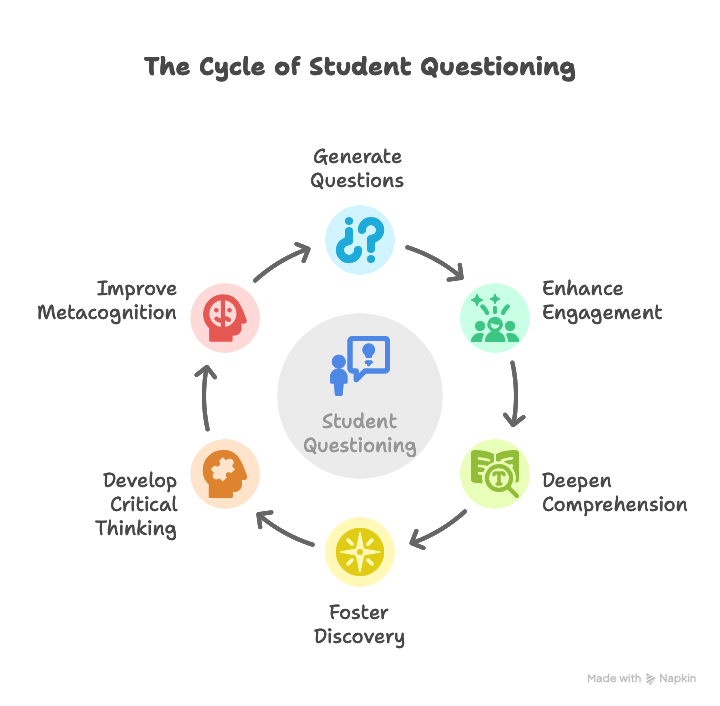
Information is readily accessible at our fingertips in this era. The ability to generate meaningful questions has become more crucial than ever. This skill is essential for effective learning. Traditional education often emphasises providing answers. However, a growing body of research demonstrates that teaching students to ask better questions fundamentally transforms their educational experience. This essay examines the profound impact of student questioning on learning outcomes. It explores how the simple act of formulating questions can enhance engagement. This process deepens comprehension and fosters discovery. It also develops critical thinking skills that extend far beyond the classroom.
The capacity to ask thoughtful questions represents a cornerstone of intellectual development. However, it remains an underutilised pedagogical tool in many educational settings. Research indicates that students generating questions in the classroom facilitates engagement, comprehension, and discovery. Ultimately, it contributes to the development of more motivated lifelong learners. This comprehensive analysis draws from extensive research. It shows how systematic question formulation can revolutionise student learning experiences. This occurs across diverse educational contexts.
The Multifaceted Impact of Student Questioning
Enhanced Engagement and Motivation
One immediate and observable advantage of teaching students to generate their questions is a marked increase in classroom engagement. This engagement becomes obvious quickly. Working intentionally to generate questions engages students deeply in learning. It involves them on a behavioural level by asking questions. It also engages them cognitively with deeper thinking and effectively with positive feelings towards learning. This multi-dimensional engagement transforms passive recipients of information into active participants in their learning journey.
The motivational impact of student-generated questioning can’t be overstated. Three-quarters of sixth graders in a study by Chin and Kayalvizhi (2005) preferred to investigate questions they posed themselves. They enjoyed this more compared to simply answering investigative questions given in their textbooks. These students reported feeling “happy,” “excited,” or “proud” about generating their questions. They described the experience of investigating the questions as “thrilling,” “fun,” and “interesting.” This emotional connection to learning creates a robust foundation for sustained academic engagement.
Recent research from secondary biology classrooms found that students commented that teachers’ questions helped them think. They also mentioned it helped them concentrate. One student remarked, “Questioning can trigger our thinking, engage the classroom and attract our attention to the teaching content. That is, they can improve our learning efficiency and enhance learning outcomes.” This suggests that both teacher-initiated and student-generated questions play complementary roles in creating dynamic learning environments.
Deeper Comprehension and Academic Performance
Beyond engagement, student questioning directly contributes to enhanced comprehension and measurable academic improvements. Asking one’s questions stimulates both cognitive and metacognitive activity, contributing to a deeper understanding. In many studies, such improvements in comprehension are demonstrated through higher academic performance. This is measured by memory retention. Test scores and effective problem-solving are also indicators.
The cognitive benefits extend to students with diverse learning needs. Question generation significantly improves reading comprehension among fourth- through sixth-grade students with learning disabilities. It enhances memory recall. It also facilitates the identification and integration of main ideas. This is based on a meta-analysis of 13 studies on question generation. This finding suggests that questioning strategies are particularly valuable for supporting inclusive education practices.
Recent research confirms these effects persist regardless of question quality. Generating questions improved students’ test performance, regardless of the quality of the questions they raised. Instructing learners to generate questions based on the learning material led to medium to large effects. These effects were observed in comprehension, recall, and problem solving. This shows that formulating questions drives improvements in learning. The sophistication of the questions produced is less important.
Discovery and Creative Thinking
Student questioning catalyses discovery and creative exploration. Asking questions can provoke new ideas and lead to open exploration. By asking questions, students exercise high-level thinking, like challenging assumptions, hypothesising, and investigating possibilities. This process transforms learning from a passive absorption of predetermined content to an active exploration of unknown territories.
Researchers emphasise the creative potential of questioning. They note that “Questions are designed to probe, to find something that is not already there. Questions discover relationships and possibilities that are not given.” This perspective reframes education as a process of knowledge creation. It moves beyond mere knowledge transmission. Students become active contributors to understanding rather than passive recipients.
Question asking is a way to expand one’s knowledge. It promotes cognitive skills that lead to discovery. These include articulating and finding problems. They also involve making predictions, developing hypotheses, noticing and challenging assumptions, and generating new ideas. These skills are fundamental components of scientific thinking and innovation. They suggest that questioning pedagogy prepares students for roles as future researchers, entrepreneurs, and critical thinkers.
Metacognitive Development
The long-term benefits of student questioning are significant. One key advantage is its impact on metacognitive development. This includes students’ awareness and understanding of their thought processes. Self-questioning is one of the most effective metacognitive strategies. Engaging in pre-lesson self-questioning has been shown to improve students’ learning rate by nearly 50%. This dramatic improvement demonstrates the power of reflective questioning practices.
Contemporary research supports this connection between questioning and metacognition. Studies have shown that metacognition is positively correlated with critical thinking. Instruction in critical thinking significantly impacts students’ metacognitive processes. One consequence of this is that vital thinking improves with the use of metacognition. This creates a positive feedback loop where questioning enhances metacognitive awareness, which in turn improves vital thinking abilities.
Teaching students to ask the right questions is a crucial skill. It is not just an essential life-skill but also an important metacognitive skill. After all, students can’t develop independent research skills without thinking skills. They need these skills to interrogate claims they find on the internet and from various information sources in their lives. This metacognitive dimension of questioning becomes increasingly crucial in our information-rich digital age.
Question Formulation: A Structured Approach
Question Formulation is a systematic approach to developing students’ questioning skills. The QF involves learners of all ages, levels, and disciplines in a step-by-step process. It teaches them how to craft and enhance questions. They learn to strategise their use and think about their learning. It provides students with skills they can apply across all areas of learning throughout their lives.
Research on the QF demonstrates its effectiveness across diverse educational contexts and age groups. Using the Question Formulation (QF) with early learners helps them generate more questions. It also leads to better-quality questions. Additionally, it supports the acquisition of key pre-literacy skills. By the end of the summer program, these young learners exhibited a significant increase in the number of questions posed. There was a qualitative improvement in the type of questions posed, with more wonderment questions. Their average scores improved for all measures of oral language and emergent literacy areas.
The technique’s effectiveness extends to higher education contexts as well. The QF was used repeatedly with undergraduate students in an upper-division biology class. This supported them to ask more questions related to course themes by the end of the term. Analysis of student reflections revealed that students enjoyed the process. They were excited by their own questions. The process helped them to explore biology topics creatively and collaboratively.
Implications for Science Education
Science education particularly benefits from questioning pedagogies due to the discipline’s inherently inquiry-based nature. Teaching students questioning skills can significantly deepen their understanding of science subjects, increase engagement, and stimulate active learning. A summary of nine research studies on questioning in science is available. These studies highlight the crucial role teachers play in supporting students. They help develop students’ interviewing skills. This support, in turn, enhances science learning.
Recent research in primary science education demonstrates how guided inquiry pedagogy can aid critical thinking through questioning. The study indicates that discipline-specific multimodal signs, visuals, diagrams, models, and material manipulations can be adopted and refined. These tools promote and enhance the critical thinking and meaning-making that are central to science inquiry processes. Effective questioning in science education requires attention to pedagogical strategies. It also needs the use of appropriate tools and representations.
Social Learning and Collaborative Benefits
Student questioning enhances not only individual learning but also collaborative knowledge construction. Group question-asking encourages students to co-construct knowledge, leading to productive discussions. Student questions in one group also stimulated members of another group. All students used key thinking strategies like hypothesising, predicting, and explaining in their search for an answer.
Asking questions in groups has a significant positive effect on learning communities. When students expressed their thoughts as questions, they listened to others more attentively. They also took more ownership in their learning. These collaborative benefits suggest that questioning strategies can enhance individual learning outcomes. They also foster positive classroom dynamics. Additionally, they improve peer relationships.
Challenges and Implementation Considerations
Despite the overwhelming evidence supporting student questioning, implementation challenges persist. Teachers predominantly ask lower-level cognitive questions that do not effectively stimulate critical thinking. Researchers observed 91 faculty members during classroom-based instruction. They documented 3,407 questions. The researchers categorised the type and level of each question posed. The majority of the questions asked were of a lower level (68.9%).
Contemporary research emphasises that attention has been primarily cast on the format of questioning. This includes open-ended questions that prompt student interactions or class discourses. Yet, not much focus is given to the science content embedded in questions. Little is known about how they guide students toward learning objectives. This suggests that effective implementation requires both attention to question quality and alignment with learning objectives.
Future Directions and Technology Integration
As educational contexts continue to evolve, the role of questioning becomes even more critical. This is especially true with the integration of digital technologies. Recent studies examining e-learning contexts confirm that metacognition is positively linked to critical thinking. This establishes the need to provide management professionals with tools to develop metacognition. Enhancing metacognition promotes critical thinking prowess in e-learning.
Fostering creative thinking and promoting metacognitive processes are two key objectives of 21st-century education. Emerging research on meta-creative pedagogy suggests this. Interventions based on metacognitive monitoring lead to enhanced creative thinking. This suggests that questioning strategies will continue to evolve to meet the demands of modern education.
Conclusion
The research overwhelmingly demonstrates a significant finding. Teaching students to ask better questions is one of the most powerful pedagogical interventions available to educators. Student questioning increases engagement and motivation. It enhances comprehension, discovery, and metacognitive development. This transformation converts learning from a passive process to an active one. The benefits extend beyond academic achievement to include improved collaborative skills, creative thinking, and the development of lifelong learning capabilities.
Structured approaches to question formulation give educators with concrete tools for implementing questioning strategies across diverse educational contexts. Nevertheless, successful implementation requires attention to question quality. It also needs alignment with learning objectives. Additionally, the creation of supportive learning environments is necessary. These environments should encourage intellectual risk-taking.
As we move ahead in an increasingly complex and rapidly changing world, the ability to generate meaningful questions becomes critical. It is not just an educational tool but a fundamental life skill. Students who learn to question effectively are better prepared to navigate uncertainty. They can evaluate information critically. They also contribute to the ongoing construction of knowledge in their chosen fields. The evidence is clear. When we teach students to ask better questions, we equip them with cognitive tools. These tools are necessary for success in education, careers, and citizenship in the 21st century.
The transformation from passive recipients to active questioners signifies the most significant shift students can make in their educational journey. As educators, we face the challenge of creating environments where questioning is actively encouraged. It must be systematically developed as a core competency. The research provides a roadmap for this transformation. It offers evidence-based strategies. These strategies can revolutionise how we approach teaching and learning across all disciplines and educational levels.
Many innovation initiatives fail because they are not clearly aligned with the company’s overall strategy or lack well-defined objectives. Without a clear focus, resources are misallocated, and projects lose direction, reducing the likelihood of success.
Innovation efforts often lack top management support. They also lack regular involvement from senior leadership. This involvement is crucial for resource allocation and decision-making[3][6].
Cultural and Organizational Barriers
Fear of Failure and Blame Culture: Employees are often discouraged from taking risks due to a culture that punishes failure. Innovation requires experimentation, and without psychological safety, people stick to safe, incremental changes rather than bold ideas.
Incentives Favoring the Status Quo: KPIs and rewards are typically tied to short-term performance, not long-term innovation outcomes. This disincentivises employees from investing time and energy in uncertain innovation projects.
Siloed Communication: Poor collaboration across departments prevents the cross-pollination of ideas, which is essential for breakthrough innovation.
Over-Reliance on Past Success: Organizations that have succeeded with a certain formula replicate it. They become less open to disruptive or unconventional thinking.
Resource Constraints and Execution Gaps
Insufficient Resources: Limited budgets, lack of dedicated teams, and inadequate infrastructure hinder the ability to develop and scale new ideas.
Slow, Rigid Processes: Bureaucratic approval processes slow down innovation. The lack of agile project management also contributes to this issue. As a result, promising ideas lose momentum or become diluted.
Lack of Skills and Capabilities: Especially in digital innovation, many companies admit their internal capabilities lag behind market leaders. This shortfall prompts them to seek external partnerships. These partnerships do not always integrate well with internal efforts.
Poor Customer Orientation and Market Understanding
Innovations that do not solve real customer needs are more to miss the mark. Failing to incorporate early and continuous customer feedback also increases the likelihood of missing the mark.
Companies focus too much on current customer needs. They do not pay enough attention to anticipating future demands. This oversight can lead to incremental rather than disruptive innovation.
Extra Factors
Innovation Theater: Surface-level innovation activities, like hackathons or idea boxes, lack structural support. Without follow-through, they create a false sense of progress. They rarely lead to meaningful outcomes.
Lack of Diversity and Empowerment: Homogeneous teams limit creativity. The lack of autonomy for innovation teams restricts the ability to explore new directions.
Summary Table: Common Reasons Innovation Initiatives Fail
Reason
Description
Lack of strategic focus
Initiatives not aligned with company goals
Insufficient management support
Lack of executive involvement and resource allocation
Fear of failure/blame culture
Risk aversion stifles experimentation
Incentives for status quo
Rewards tied to short-term, not innovation
Siloed communication
Poor cross-functional collaboration
Resource constraints
Insufficient budget, time, or talent
Rigid processes
Bureaucracy slows and dilutes innovation
Poor customer orientation
Not addressing real or future customer needs
Innovation theater
Superficial activities without real impact
Lack of diversity/empowerment
Homogeneous teams, little autonomy
Conclusion
The low success rate of innovation initiatives is not due to a lack of ideas or ambition. Instead, barriers come from persistent structural, cultural, and strategic issues within organizations. Solving these challenges involves fostering a culture of experimentation. It also means aligning innovation with strategy. Additionally, ensuring management support and building agile, cross-functional teams can significantly improve the odds of innovation success.
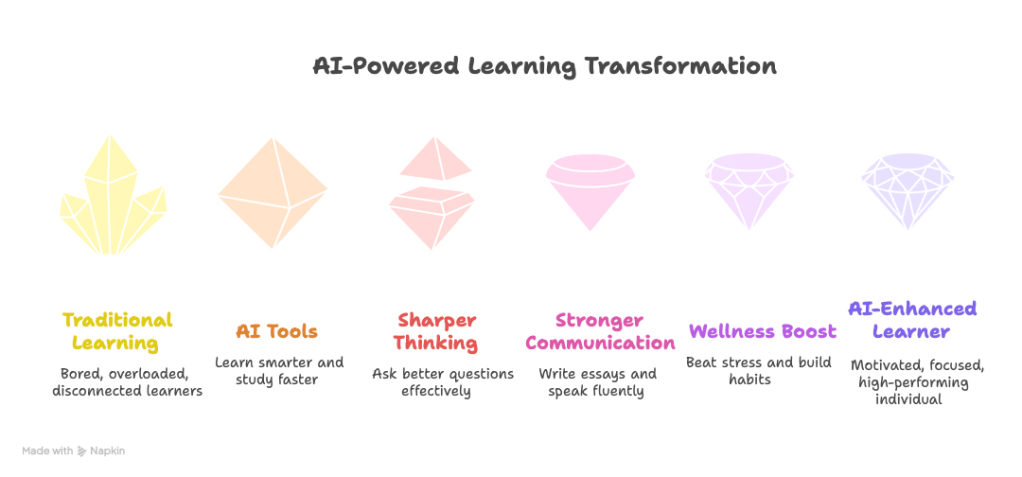
Stop Drowning in Study Stress – Unlock Your AI-Powered Study Superpowers & Get Ahead!
Dear Students & Parents,
Are you tired of endless hours of studying with minimal results? Do you wish there was a way to make learning easier, faster, and more effective? The truth is, that the world of education is changing, and traditional study techniques are leaving many students behind.
Here’s a harsh reality: Students are struggling with procrastination because they are not leveraging modern tools. They also face information overload and crippling test anxiety. They’re spending countless hours studying, but often feel like they’re just treading water, falling further behind while their confidence plummets.
But what if there was a better way? Imagine a world where studying feels less like a chore and more like a superpower. A world where you:
Slash your study time and still achieve top grades.
Conquer procrastination and find genuine motivation.
Remember information effortlessly with cutting-edge techniques.
Master critical thinking and express your ideas with confidence.
Remove test anxiety and do at your peak.
This isn’t a dream – it’s the reality we’re creating with our brand-new virtual learning program:
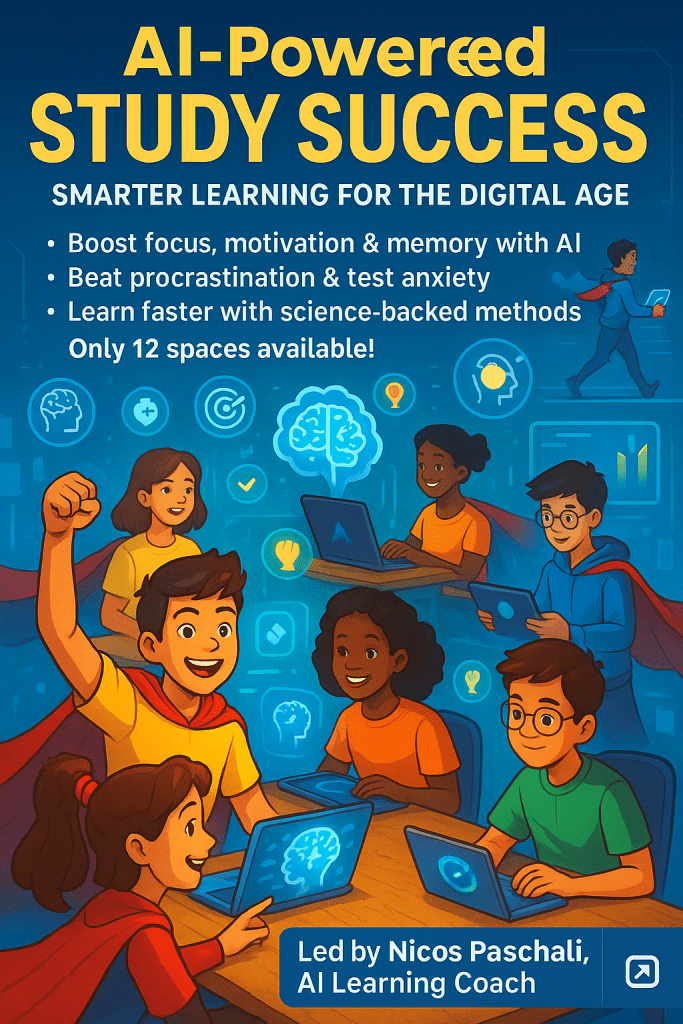
Introducing: AI-Powered Study Success: Smarter Learning for the Digital Age
This isn’t just another online course. It’s an 8-hour immersive experience. This program is designed to equip students aged 10 and above with revolutionary skills. They need these skills to thrive in today’s digital world. We’ll show you exactly how to harness the power of Artificial Intelligence to transform your learning journey.
Why This Program is a Game-Changer for Your Child (or You!):
Become an AI Power User: Learn practical, step-by-step strategies. Integrate AI tools into every aspect of your studies. This includes everything from research to essay writing.
Crush Procrastination & Ignite Motivation: Discover proven, science-backed techniques to overcome mental blocks and develop unwavering self-discipline.
Unlock Your Memory’s Full Potential: Master advanced memory techniques and leverage AI to create “smart notes” that make recall effortless.
Sharpen Your Mind for Life: Develop critical thinking, questioning, and presentation skills that will help you far beyond the classroom.
Banish Test Anxiety & Boost Confidence: Learn innovative strategies to stay calm under pressure. Do your best on exams. Build unshakable self-assurance.
Build Future-Ready Skills: Gain an undeniable edge in an increasingly AI-driven world, setting yourself up for academic and professional success.
What You’ll Get When You Join:
Interactive, Hands-On Workshops: No boring lectures! You’ll actively join and apply what you learn right away.
Expert-Led Guidance: Step-by-step instruction on utilising the latest AI learning tools.
Holistic Support: Strategies for managing stress, optimising time, and sustaining motivation.
Thriving Community: Connect with a supportive network of peers in a friendly online environment.
Official Certificate of Completion: A testament to your newly acquired AI-powered study skills.
Spaces are extremely limited to just 12 participants to guarantee personalised attention and greatest impact. This is your chance to stop struggling and start succeeding.
Ready to Unlock Your Study Superpowers?
The future of learning is here, and you have the opportunity to be at the forefront. Don’t let your child fall behind or continue to feel overwhelmed.
Take the first step towards smarter, more effective, and enjoyable learning today!
Fill out the form now, and we’ll be in touch with all the details to secure your spot.
You’ll be amazed at the transformation.
Best wishes,
Nicos Paschali, NPxAI Veteran of Digitisation and the AI-Powered Study Success Team
P.S. Imagine the relief of seeing your child confident, motivated, and excelling in their studies. This program is an investment in their future. It offers them the opportunity to gain skills that will serve them for a lifetime. Don’t miss out on these limited spots!






 Nicos Paschali, International Author, Designer & Facilitator of Learning Workshops. Mental Discipline Coach.
Reply